
Texture and Mood
Texture is the element most people don't think about...and the one that explains why some rooms feel immediately right.
Consolidate them into one. "Texture and Mood" has the stronger opening and better editorial voice. This one has useful ideas about scale and natural materials that could be woven in. I'll keep the best of both — the philosophical framework from "Texture and Mood" plus the concrete design knowledge from this one — and create a single, fuller texture post.
Here it is:
Texture is the element most people don't think about...and the one that explains why some rooms feel immediately right and others never quite do. Color gets the credit. Furniture gets the attention. But texture is what your body reads before your mind catches up. Walk into a room layered with linen, wool, and warm wood and something in you settles. Walk into a room of hard, slick surfaces and something in you stays alert. The difference is rarely about what you see. It's about what you feel.
Why Texture Does What Color Can't
Color sets a mood. Texture delivers it. A room painted in warm cream with no softness in the furnishings will still feel cold. The same room with a nubby wool throw, a woven rug, and a linen sofa feels entirely different...not because anything changed visually, but because the surfaces are communicating something different. Smooth materials signal order and clarity. Soft ones invite you to stay. Rough, natural textures ground a room and make it feel connected to something real. When a room has only one kind of surface...all sleek, all soft, all the same...it loses dimension. The eye has nowhere to travel and the body has nothing to respond to.
Start With Your Largest Surfaces
Before you add anything new, look at what you already have on your largest surfaces. Your walls, floors, and main furniture pieces are the foundation of your texture story.
A hard floor...wood, tile, or concrete...needs a rug to add warmth. The texture of the rug matters as much as the color. A flat woven rug feels casual and clean. A high-pile rug feels cozy. A jute or sisal rug feels earthy and grounded. Choose based on the feeling you want the room to have.
Your main furniture piece...sofa, bed, or primary seating...sets the tone for everything else you layer on top of and around it. A velvet sofa feels luxurious and soft. A linen one feels airy and relaxed. A leather chair feels cool and structured. Whatever your main piece is made of becomes the anchor that everything else relates to.
Layer In With Textiles
Throw pillows, blankets, and curtains can completely transform the feel of a space without a single piece of furniture changing. Mix pillow covers in different fabrics rather than matching them all in the same material. Combine a smooth velvet pillow with a linen one and a knitted or embroidered one. Keep the colors cohesive but let the textures vary. This creates a collected, layered look rather than a matchy-matchy one.
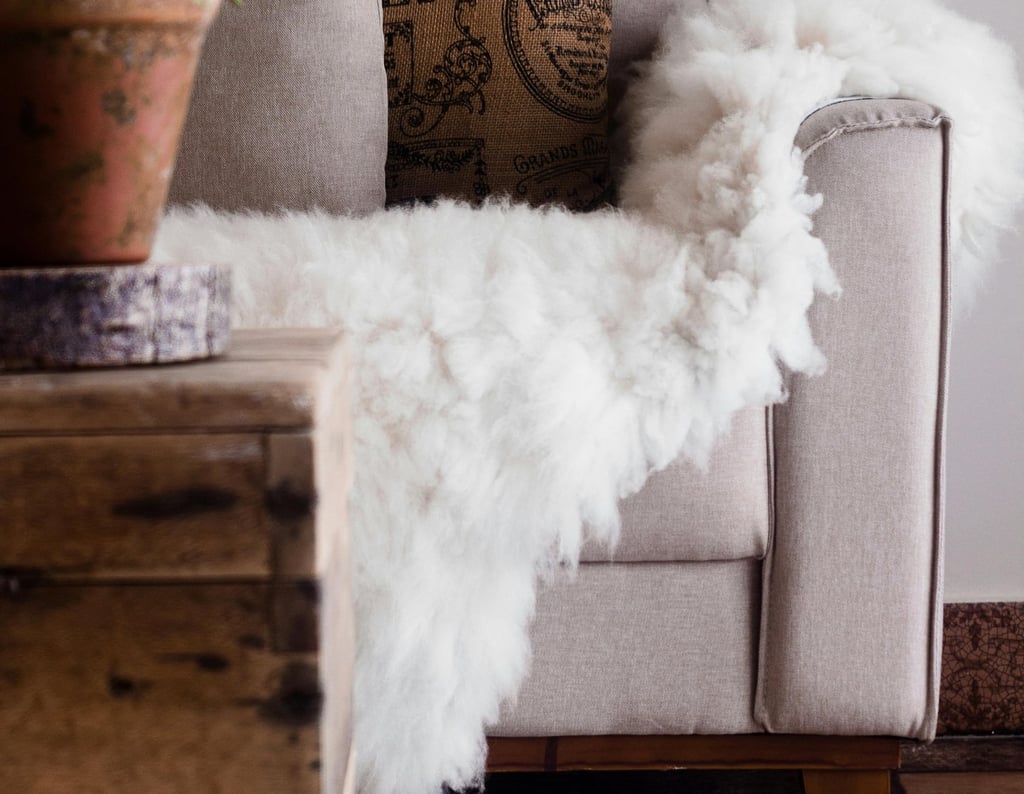
A throw blanket draped over the arm of a sofa or the corner of a bed instantly adds warmth and softness. Choose something with a noticeable texture...a chunky knit, a waffle weave, a woven cotton. Avoid anything too thin or flat as it will disappear visually rather than adding dimension.
Curtains are often chosen purely for their color or pattern but the fabric matters enormously. Linen curtains feel soft and relaxed. Velvet curtains feel rich and dramatic. Sheer curtains feel light and airy.
The Art of Contrast
The goal is contrast, not collection. You are not trying to fit in as many textures as possible...you are trying to make sure each surface feels different from the one beside it. A linen sofa beside a smooth leather ottoman. A rough pottery vase on a polished tray. A chunky knit throw draped over a clean-lined chair. The contrast is the point. Each pairing creates a small moment of visual and tactile interest that makes the room feel considered rather than assembled.
A woven jute rug is one of the most useful anchors in this kind of layering. Its subtle roughness grounds the room and pairs naturally with almost any combination of softer materials above it.
If everything in a room is smooth and polished it will feel cold and sterile. If everything is rough and heavily textured it can feel overwhelming and busy. The sweet spot is balance...a smooth marble tray on a rough wooden coffee table, a sleek ceramic vase next to a woven basket, a glossy lamp base on a linen tablecloth. These pairings create a natural visual tension that makes a space feel both interesting and balanced.
Bring In Natural Materials
Natural materials are some of the most texture-rich elements you can add to a room and they work in virtually every style. Raw or reclaimed wood adds warmth and an organic quality that no other material quite replicates. Wicker and rattan bring a light, casual feel that works beautifully in any room. Stone and concrete add a cool, grounding texture that pairs well with softer elements. Linen and cotton in their natural states have a beautiful subtle texture that feels effortless rather than overdone.
Plants are an often overlooked texture element...the visual softness of leaves and stems adds life and organic texture to any corner. The same goes for small, considered details. A stack of books with varied covers. A ceramic bowl with an uneven handmade finish. A wooden cutting board propped against a shelf. A cluster of candles in different heights and finishes. These small moments of texture add up quickly and give a room that layered, thoughtful quality that is hard to put your finger on but impossible to miss.
How Much Is Enough
Aim for at least three to four different textures in any given room. Once you hit five or six you are in good territory. Beyond that it starts to depend on the size of the room and how cohesive the overall palette is. If a room starts to feel busy or visually overwhelming...pull back on pattern first, then on color, and finally on texture. Texture is almost always the last thing that needs to be reduced because it tends to read as warmth and depth rather than noise.
A single woven throw, a ceramic vase, a rug with natural pile...any one of these can shift a room's entire feeling. Texture doesn't ask for much. It just asks to be chosen with care.

Three Homes Design participates in various affiliate marketing programs, which means we may earn a commission on products purchased through our links at no extra cost to you.