
Entryway Design
The entryway sets the tone for your entire home...and getting it right takes less effort than you'd think.
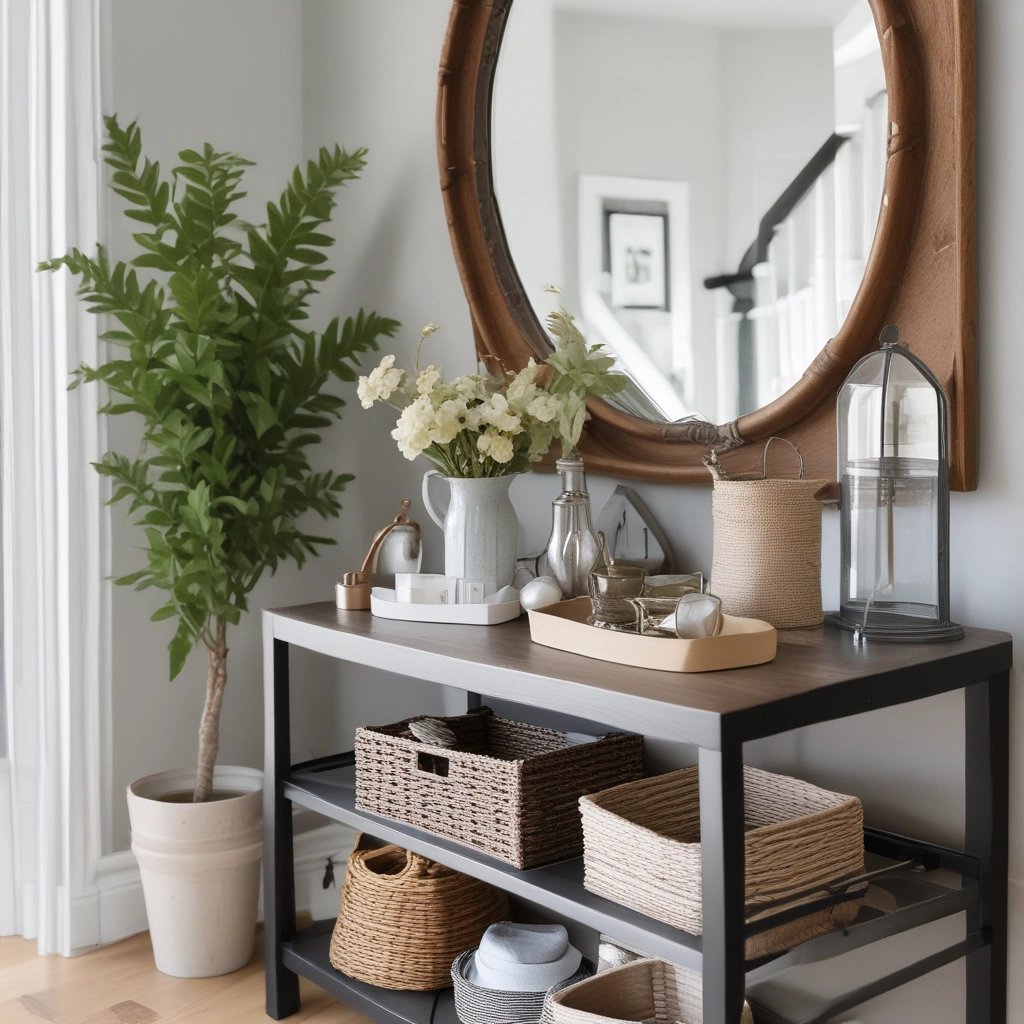
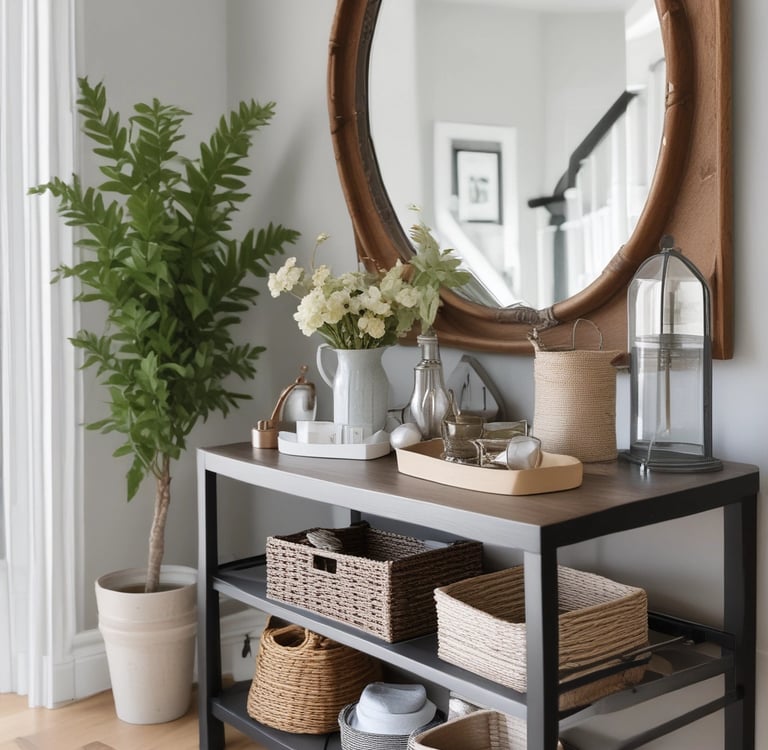
The entryway is the most overlooked room in most homes...and the one that shapes how every other room feels. It is the first thing you see when you walk through the door and the last thing you see when you leave. When it works, the whole house feels more considered. When it doesn't, even a beautifully decorated interior can feel slightly off from the moment you step inside.
Most entryways don't fail because of what they're missing. They fail because of what they're holding onto...too much furniture for the space, surfaces that have become catch-alls, lighting that was never thought about at all. Getting an entryway right is less about adding and more about editing.
Start With the Floor
A clear floor is the single most impactful thing in an entryway. Shoes scattered without a home, bags dropped wherever, items waiting to be carried to other rooms...these things make a space feel chaotic before you've even taken your coat off. Whatever storage the entryway has, it should be enough to contain what actually needs to live there. A low bench with a basket beneath it, a slim shoe cabinet, a row of hooks at the right height. The goal is a system that makes putting things away easier than leaving them out.
A well-chosen rug anchors the space and absorbs the visual weight of foot traffic. Natural fiber...jute, sisal, a low-pile wool...in a tone that works with the floor underneath. Centered, straight, large enough to feel intentional rather than like an afterthought.
Give Every Surface a Purpose
An entry console or shelf is an opportunity that most homes underuse. The surface itself should hold only what is intentional...a small lamp, a single stem in a narrow vase, a tray that corrals keys and mail in one contained spot. Nothing that wandered there from another room. Nothing waiting to be dealt with later.
The wall above it deserves the same attention. A mirror is the most useful thing you can hang in an entryway...it reflects light, makes the space feel larger, and gives you a place to check yourself before you walk out the door. A single piece of art works equally well if the mirror feels too expected. What doesn't work is a wall left entirely bare or covered with too many competing elements.
Light Changes Everything
Entryways almost always rely on a single overhead fixture that flattens the space and drains the warmth out of it. A table lamp on the console, even a small one, changes the entire feeling of the room. Warm light in an entry signals welcome in a way that overhead lighting never quite manages. If the layout allows for a sconce on either side of a mirror or a piece of art, even better. The entryway is small enough that one good light source positioned well can transform it entirely.
Keep the Palette Simple
Because the entryway is a transitional space rather than a room people spend time in, it benefits from a simpler palette than the rooms it connects to. Warm neutrals on the walls, natural materials underfoot, one or two considered accessories on the surface. The entryway doesn't need to make a statement...it needs to make a promise. A promise that the rest of the home is as thoughtful as this first glimpse suggests.
One small beautiful object...a ceramic bowl, a single branch in a tall vase, a candle in a considered holder...does more for an entryway than a collection of things ever will. It signals that someone lives here who pays attention. That is exactly the feeling a first impression should leave.

Three Homes Design participates in various affiliate marketing programs, which means we may earn a commission on products purchased through our links at no extra cost to you.