
Layered Bedding
A well-made bed is the foundation of a beautiful bedroom...and the secret is in the layers.
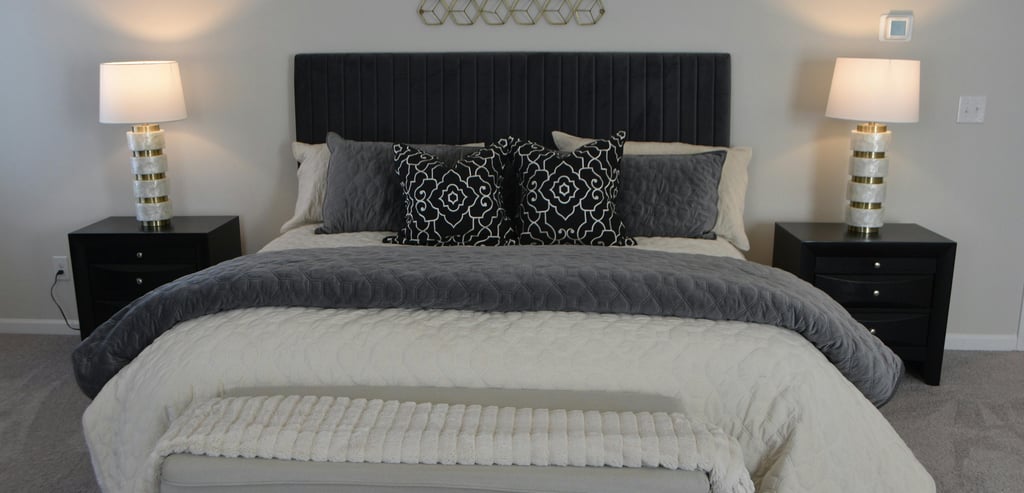
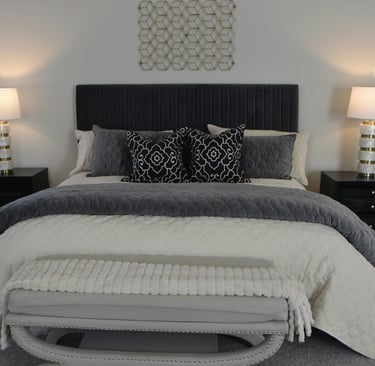
A well-made bed is one of the most impactful things in a home. It's the largest surface in the bedroom, and when it looks good, the whole room looks pulled together. When it doesn't, nothing else quite compensates. The difference between a bed that looks like a hotel suite and one that just looks slept in is almost always layering...the intentional stacking of sheets, duvets, blankets, and pillows that creates depth, texture, and that effortlessly luxurious look that's hard to pin down but impossible to miss.
Start With Quality Sheets
Layering starts at the base, and the base is your sheets. They don't need to be expensive, but they do need to look and feel good. Crisp, clean, well-fitted sheets in a solid neutral set the tone for everything that goes on top. Whites, warm creams, soft linens, and pale grays all work well because they play nicely with whatever layers you add.
Fitted sheets should fit snugly without pulling at the corners. A flat sheet tucked cleanly at the foot of the bed with hospital corners, or left slightly loose and relaxed depending on your style, gives you a clean canvas before anything else goes on.
If you prefer a more relaxed, lived-in look, linen sheets are your best friend. They wrinkle beautifully and look intentionally undone in a way that cotton doesn't quite pull off.
Choose a Duvet That Works as an Anchor
The duvet is the centerpiece of the bed and the piece everything else builds around. In terms of size, always go one size up from your mattress...a queen duvet on a full bed, a king duvet on a queen. The extra width gives you that full, generous drape over the sides that makes a bed look properly dressed rather than just covered.
A duvet in a solid neutral or a subtle texture is the most versatile choice because it gives you the freedom to change out your accent layers seasonally without replacing the whole look. White, warm ivory, soft greige, and oatmeal all work across every style from modern to rustic to coastal.
Duvet covers with a waffle weave, subtle stripe, or tonal embroidery add visual interest without competing with the layers on top. The duvet should feel substantial...a flat, thin duvet makes the whole bed look deflated no matter how well everything else is styled.
Fold and Layer at the Foot
This is the step that separates a styled bed from a made bed. A folded blanket or quilt draped across the foot of the bed adds a third layer of texture and color that grounds the whole look. It also gives the bed a sense of depth and intention that a duvet alone can't achieve.
The fold doesn't need to be perfect...in fact, a slightly relaxed fold often looks better than a rigid one. Lay the blanket across the lower third of the bed, fold it back once or twice, and let it sit naturally. A chunky knit throw, a linen quilt, or a woven blanket in a warm neutral all work beautifully here.
If you want more color or pattern in the room, this is the place to introduce it. A blanket in a deeper tone or a subtle pattern adds visual weight at the foot of the bed without overwhelming the rest of the layers.
Build Your Pillow Arrangement
Pillows are where the bed either comes together or falls apart. A simple formula works beautifully: sleeping pillows in shams at the back, Euro shams in front of those, standard decorative pillows in front of the Euros, and a lumbar pillow at the very front if you want a finished, layered look.
Euro shams...those large square pillows...are the backbone of a well-dressed bed. They add height behind the decorative pillows and give the whole arrangement a structured, intentional look. In a 26x26 size, two Euros on a queen and three on a king is the standard.
For the decorative pillows, the same rules apply as a sofa...vary the size, mix one pattern with solids or textures, and don't overdo it. Two to three decorative pillows in front of your Euros is usually enough. A single lumbar pillow in the center at the front adds a finishing touch that makes the bed look genuinely styled rather than just stacked.
Mix Textures Deliberately
The secret to a bed that looks rich and layered without looking overdone is texture contrast. Smooth cotton sheets next to a nubby waffle duvet next to a chunky knit throw creates the kind of sensory depth that reads immediately as intentional. When everything on the bed shares the same texture...all smooth, or all the same weave...the layers blend together and lose their impact.
Think about what each layer brings texturally and make sure they contrast. Linen against velvet. Waffle weave against smooth cotton. A tightly woven blanket against a loose knit throw. The contrast doesn't need to be dramatic...subtle variation is often more sophisticated than obvious contrast.
Keep the Color Story Cohesive
A layered bed doesn't need to be all white or all neutral, but it does need a clear color story. Pick two or three tones and stay within them across all your layers. Warm whites and taupes with a touch of warm wood from a nightstand. Soft sage with cream and natural linen. Charcoal with warm gray and a hint of black. The layers should feel like they belong together even if they're not perfectly matched.
Introduce your deepest or most saturated color in the smallest layer...usually the lumbar pillow or the throw at the foot. This keeps the bed feeling balanced and prevents one element from dominating the whole look.
The Edit
Once the bed is fully layered, step back and look at it the way you'd look at any styled surface. Is the duvet centered? Are the pillow arrangements even on both sides? Is the throw sitting naturally or does it look forced?
Fluff the Euro shams so they stand full. Smooth the duvet so it drapes evenly. Pull the throw slightly off-center if it looks too rigid. The best styled beds look effortless...and that effortlessness usually takes a few minutes of quiet editing to achieve.

Three Homes Design participates in various affiliate marketing programs, which means we may earn a commission on products purchased through our links at no extra cost to you.