
Pillow Styling
Throw pillows are where a styled sofa either comes together or falls apart
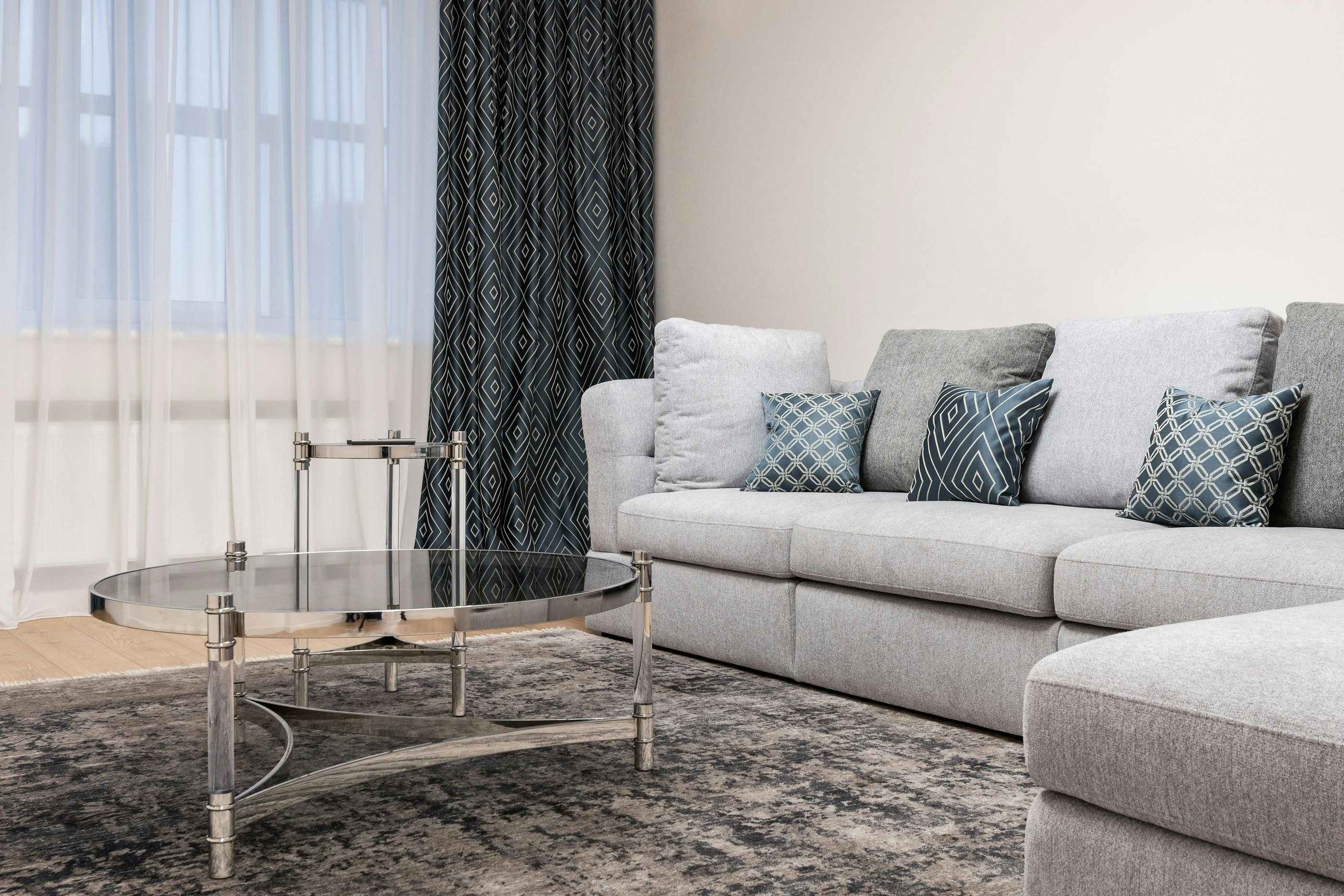
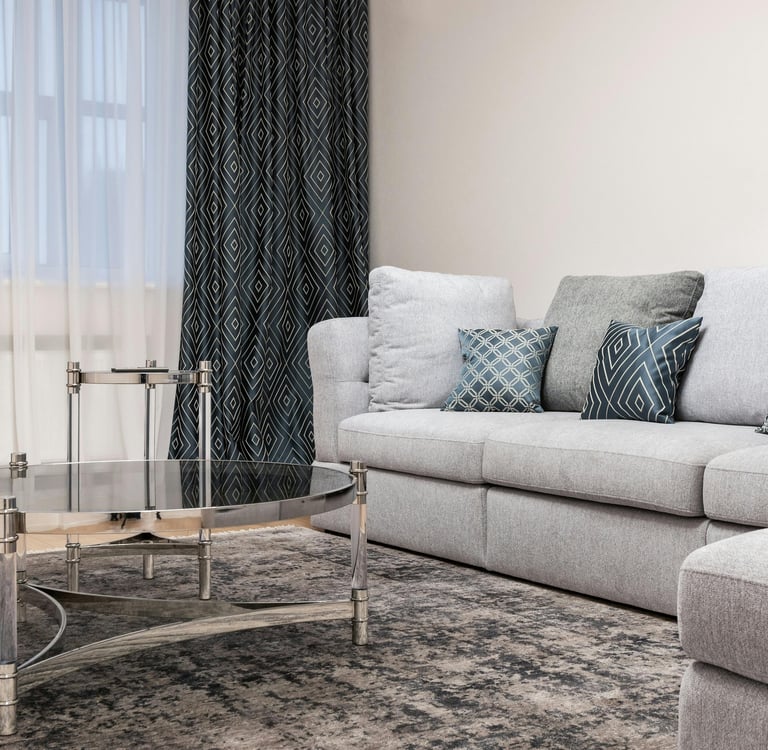
Throw pillows are one of the fastest ways to change the look of a room...and one of the easiest things to get wrong. Too many and the sofa looks cluttered. Too few and it looks bare. The wrong mix of sizes and the whole arrangement falls flat. But when you get it right, throw pillows can pull an entire room together, add color and texture, and make a sofa feel like it was professionally styled.
Start With the Right Number
There's no universal rule, but there are ranges that work. For a standard three-cushion sofa, four to six pillows is the sweet spot. For a loveseat or smaller sofa, two to four is usually enough. For a sectional, you have more flexibility...but more is not always better. The goal is a full, layered look without a sofa that's so covered in pillows nobody can actually sit on it.
An odd number of pillows often looks more natural and relaxed than an even number. Two matching pillows on each end with one accent pillow in the center is a classic arrangement that reads well in almost every style of room.
Get the Sizing Right First
Size is where most people go wrong before they even get to pattern or color. Pillows that are too small look lost on a large sofa. Pillows that are too large overwhelm a smaller one.
For most standard sofas, 20x20 inch pillows are the go-to for the main pillows at each end. You can layer in a slightly smaller 18x18 in front of those, and finish with a lumbar pillow in the center for a polished, layered look. This combination of sizes...large in back, medium in front, lumbar in the middle...is the arrangement you see in most well-styled rooms because it creates depth and visual interest without looking accidental.
Always size up on your pillow inserts. If your cover is 20x20, use a 22x22 insert. Pillows that fit their covers exactly look flat and deflated. An oversized insert gives you that full, plump look that photographs well and feels luxurious in person.
Mix Patterns With Intention
Mixing patterns is what separates a styled sofa from one that just has pillows on it...but it requires a bit of restraint. The key is to vary the scale of your patterns rather than mixing ones that compete for attention at the same size.
A large-scale pattern paired with a small-scale one and a solid is a combination that holds together beautifully. Think a wide stripe next to a small geometric next to a plain textured pillow in a coordinating color. The solid gives the eye a place to rest between the two patterns, and varying the scale keeps them from clashing.
Limit yourself to two patterns at most if you're unsure. One strong pattern and the rest in solids or subtle textures is a clean approach that always looks intentional.
Build Around a Color Story
Your pillows don't all need to match...but they do need to relate to each other and to the room. The easiest approach is to pull two or three colors already present in the room and make sure each pillow connects to at least one of them. This creates cohesion without everything looking matchy-matchy.
If your sofa is neutral, your pillows can carry more color and pattern. If your sofa is already a statement piece, keep the pillows more restrained...texture and subtle pattern over bold color. The sofa and the pillows should work together, not compete.
Texture Matters
Color and pattern get most of the attention, but texture is what makes a pillow arrangement feel layered and rich. Mixing a velvet pillow with a linen one and a knit or woven one creates dimension that you can see and feel. Even if every pillow is the same color, varying the texture keeps the arrangement from looking flat.
Texture also helps when you're working with a more neutral palette. A room in warm whites and taupes can feel incredibly sophisticated if the pillows bring in a mix of boucle, linen, and a subtle weave...even without a single bold color or pattern in sight.
The Edit
Once your pillows are arranged, step back and look. If something feels off, it usually is. A pillow that's the wrong scale, a pattern that's fighting with the others, or a color that doesn't connect to the rest of the room will stand out once you're looking at the full picture.
Editing is part of the process. Pull one pillow off and see if the arrangement improves. Swap two pillows' positions and see if the balance shifts. The best sofa styling usually goes through a few rounds of small adjustments before it lands exactly right.
Throw pillows are one of the most changeable elements in a room...which is part of what makes them so useful. Swap them seasonally, update them when the room needs a refresh, or use them to test a new color direction before committing to anything larger. When they're working, you barely notice them...you just notice that the room feels finished.

Three Homes Design participates in various affiliate marketing programs, which means we may earn a commission on products purchased through our links at no extra cost to you.